Why Is My Oven Not Heating Properly?
Learn the common reasons your oven is not heating properly and how Wichita Falls Appliance Repair can assist you in resolving this issue.
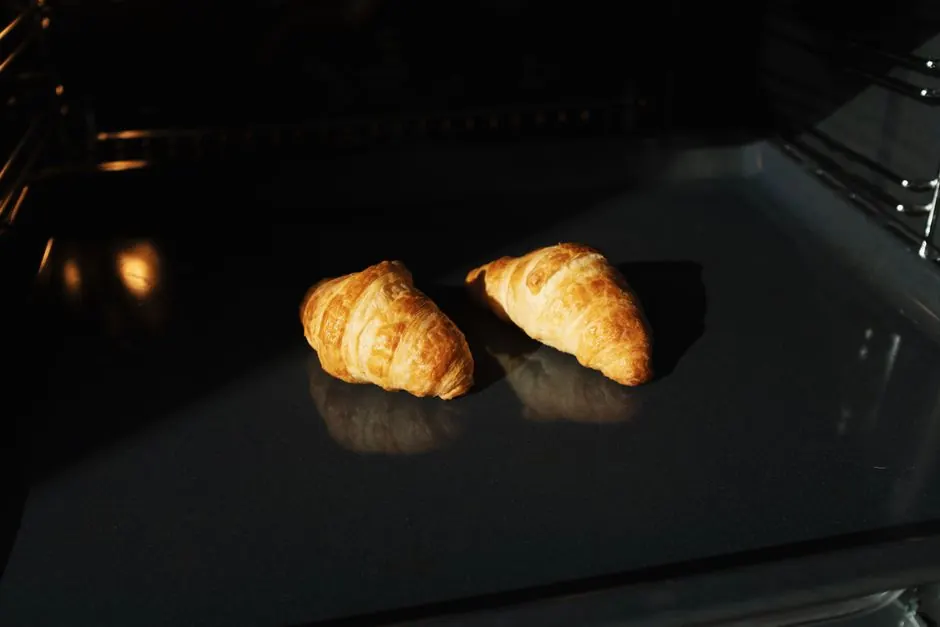
An oven not heating properly can disrupt meal preparation and lead to frustration. Common reasons include faulty heating elements, malfunctioning thermostats, or electrical issues. This article explores these problems in detail and offers guidance on how to address them effectively.
Oven not heating is a common appliance issue that requires immediate attention to avoid further complications.
Common Reasons for Oven Heating Issues
Several factors can cause an oven to heat improperly. Understanding these reasons can help you troubleshoot the problem more efficiently:
- Faulty Heating Elements: Electric ovens rely on heating elements to generate heat. If these elements are burnt out or damaged, the oven will not heat.
- Malfunctioning Thermostat: The thermostat regulates the oven temperature. If it is faulty, it may not send the correct signals to the heating elements.
- Electrical Issues: Problems with electrical connections or blown fuses can prevent the oven from receiving power.
- Oven Door Issues: An oven door that doesn't close properly can lead to heat escaping, preventing the oven from reaching the desired temperature.
- Control Board Malfunctions: The control board manages the oven's functions. If it fails, the oven may not heat at all.
How to Diagnose Oven Heating Problems
Diagnosing why your oven is not heating requires a systematic approach:
- Check the Power Supply: Ensure that the oven is plugged in and that the circuit breaker hasn't tripped. If it has, reset it and try the oven again.
- Inspect Heating Elements: Look for visible signs of damage. If the heating elements are broken or discolored, they may need replacing.
- Test the Thermostat: Use an oven thermometer to check if the oven is heating to the set temperature. If there's a significant discrepancy, the thermostat may be faulty.
- Examine the Door Seal: Ensure the door closes tightly. A loose seal can cause heat loss, leading to poor cooking performance.
- Check for Error Codes: Modern ovens often display error codes. Refer to your user manual to understand these codes and what they indicate.
Common Mistakes When Troubleshooting
Many homeowners make mistakes when diagnosing oven issues, which can lead to unnecessary repairs:
- Ignoring the Manual: Not consulting the user manual can lead to overlooking simple fixes.
- Assuming All Parts Are Faulty: Sometimes, the issue is minor, such as a blown fuse, rather than a complete part failure.
- Neglecting Regular Maintenance: Regular cleaning and maintenance can prevent many heating issues. Dust and grease can build up, affecting performance.
- Overlooking Simple Solutions: Sometimes, the problem may be as simple as a loose wire or a dirty sensor that can easily be fixed.
When to Call a Professional
If you've diagnosed the issue but cannot resolve it, it's time to call a professional. Issues like a faulty control board or complex electrical problems require expert knowledge. At Wichita Falls Oven Repair services, we can quickly identify and fix the problem, ensuring your oven is back in working order.
Frequently Asked Questions
1. What are the signs that my oven is not heating properly?
Common signs include uneven cooking, food taking longer to cook, or the oven not reaching the set temperature.
2. How much does it cost to repair an oven that is not heating?
In 2026, typical repair costs range from $100 to $300, depending on the issue and parts needed.
3. Can I fix my oven myself?
Some issues, like replacing heating elements, can be DIY projects. However, complex problems should be handled by professionals.
4. How long does an oven repair take?
Most repairs can be completed within 1-2 hours, but more complex issues may take longer.
5. What should I do if my oven won't turn on?
Check the power supply first, then inspect the thermostat and any fuses before calling for professional assistance.