
Why Is My Dishwasher Not Cleaning Dishes Properly?
Explore the reasons your dishwasher is failing to clean dishes and learn how to troubleshoot the issue effectively.
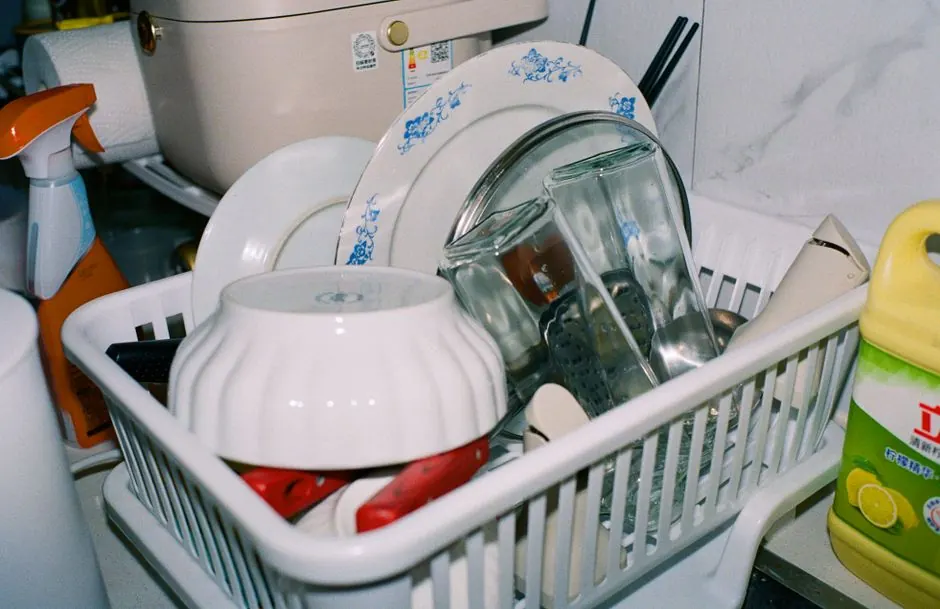
A dishwasher not cleaning dishes properly can be frustrating. Common issues include clogged filters, malfunctioning spray arms, or improper loading techniques. This article will explore these problems and offer solutions for residents in Wichita Falls.
Dishwasher Not Cleaning is a common appliance issue that usually arises when food particles remain on dishes after a wash cycle. Identifying the root cause can save you time and money on repairs.
Common Reasons for Poor Cleaning
Several factors can cause a dishwasher to fail in cleaning dishes effectively. Understanding these can help you pinpoint the issue quickly.
1. Clogged Filters
Filters in your dishwasher trap food particles, preventing them from redepositing on dishes. If these filters are clogged, water cannot circulate properly, leading to dirty dishes. Regular cleaning of the filter is essential, ideally every month.
2. Malfunctioning Spray Arms
The spray arms distribute water throughout the dishwasher. If they are blocked or damaged, they won't effectively spray water onto the dishes. Check for any obstructions and ensure the arms can spin freely.
3. Improper Loading
Loading dishes incorrectly can obstruct water flow. Ensure that larger items do not block the spray arms and that all dishes are positioned to allow water to reach them. Follow the manufacturer's guidelines for optimal loading.
4. Low Water Temperature
Water needs to be hot enough to dissolve grease and food residues. The ideal temperature for dishwashing is around 120°F to 150°F. If your water heater is set too low, consider adjusting it.
5. Detergent Problems
Using the wrong detergent or insufficient amounts can lead to poor cleaning performance. Ensure you are using a detergent appropriate for your dishwasher and following the recommended dosage.
How to Troubleshoot Your Dishwasher
To resolve the issue of a dishwasher not cleaning properly, follow these troubleshooting steps.
1. Clean the Filter
Remove the filter and rinse it under hot water to remove food particles. Make this a routine task to maintain optimal performance.
2. Inspect and Clean Spray Arms
Take out the spray arms and check for clogs. Clean any debris using a soft brush and ensure they can rotate freely when reinstalled.
3. Adjust Water Heater Settings
If the water temperature is too low, increase it to the recommended level. This can significantly improve cleaning results.
4. Check for Detergent Issues
Verify that you are using the correct type of detergent and that it is fresh. Old detergent can lose its effectiveness.
5. Run a Cleaning Cycle
Many dishwashers have a cleaning cycle. Use a dishwasher cleaner to eliminate grease and buildup inside the appliance.
Common Mistakes to Avoid
Avoiding certain mistakes can help maintain your dishwasher's efficiency.
- Overloading the Dishwasher: This can prevent water and detergent from reaching all dishes.
- Ignoring Maintenance: Regular cleaning and maintenance are crucial for performance.
- Using Incorrect Detergent: Always use detergent designed for your specific dishwasher type.
When to Call a Professional
If troubleshooting does not resolve the issue, it may be time to call a professional. Issues like electrical malfunctions or significant mechanical failures require expertise. Wichita Falls Appliance Repair offers comprehensive Dishwasher Repair Wichita Falls TX services to help you get your appliance back in working order.
Frequently Asked Questions
Here are some common questions homeowners in Wichita Falls have about dishwashers not cleaning properly.
Why are my dishes still dirty after running the dishwasher?
Dishes may remain dirty due to clogged filters, malfunctioning spray arms, or incorrect loading. Regular maintenance can help prevent these issues.
How often should I clean my dishwasher filter?
It's advisable to clean the dishwasher filter at least once a month to ensure optimal performance and cleanliness.
What temperature should my dishwasher water be?
The water temperature for effective cleaning should be between 120°F and 150°F. Check your water heater settings to ensure they are adequate.
Can I use regular dish soap in my dishwasher?
No, using regular dish soap can create excessive suds and damage your dishwasher. Always use detergent specifically designed for dishwashers.
How can I tell if my dishwasher needs repair?
If your dishwasher consistently leaves dishes dirty, makes unusual noises, or leaks, it may need professional repair. Contact a local expert for assistance.