
How to Know When Your Washer Needs Repair
Learn how to identify when your washer needs repair, including common signs and when to call a professional in Wichita Falls.
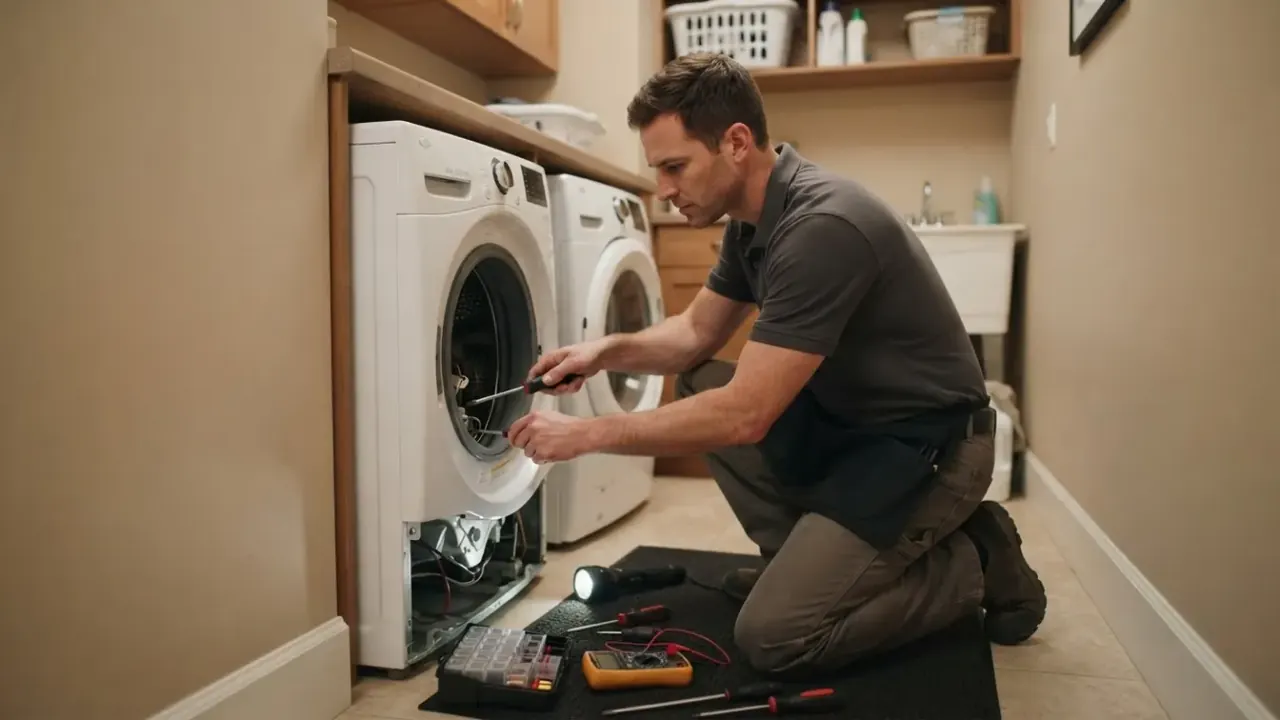
Knowing when your washer needs repair can save you time and money. Common signs include unusual noises, leaks, or failure to start. This article will guide you through the most common issues faced by washers and when to seek professional help in Wichita Falls.
Washer repair is a service that addresses various issues with washing machines, ensuring they operate efficiently and effectively. Understanding the signs of a malfunction can prevent further damage and costly repairs.
What Are the Signs Your Washer Needs Repair?
The first indication that your washer may need repair is often a change in its performance. Common signs include:
- Unusual Noises: Grinding, banging, or excessive vibration can indicate problems with the drum or motor.
- Leaks: Water pooling around your washer is a clear sign that something is wrong.
- Failure to Start: If your washer won't turn on or respond, it may need professional attention.
- Not Draining: If water remains in the drum after a cycle, this could indicate a clogged drain or pump issue.
- Clothes Not Clean: If your clothes come out still dirty or with detergent residue, the washer may not be functioning properly.
Why Is My Washer Making Strange Noises?
Strange noises from your washer can signal various issues. For instance, a loud banging noise may indicate that the drum is unbalanced, while grinding sounds could mean a problem with the motor or drive belt. In Wichita Falls, where many homes have older appliances, these issues are common. Regular maintenance can help prevent such problems. If the noise persists, consider contacting a professional for washer repair in Wichita Falls.
What to Do When Your Washer Won't Start
If your washer won't start, first check the power supply. Ensure it's plugged in and that the outlet is functioning. If the power supply is not the issue, inspect the door latch; a faulty latch can prevent the washer from operating. In some cases, a blown fuse or tripped breaker may be the culprit. If these steps do not resolve the issue, it may be time to call for emergency appliance repair in Wichita Falls.
Common Mistakes to Avoid with Washer Repairs
Many homeowners make mistakes when attempting DIY washer repairs. Here are a few to avoid:
- Ignoring the Manual: Not consulting the user manual can lead to improper handling of the machine.
- Overloading: Putting too many clothes in the washer can cause strain on the motor.
- Using Incorrect Detergent: Always use the recommended detergent type to avoid buildup and damage.
- Neglecting Maintenance: Regular maintenance is crucial for preventing issues.
When to Call a Professional for Washer Repair
If you notice any of the signs mentioned earlier, it may be time to call a professional. Persistent issues like leaks or strange noises that do not resolve with basic troubleshooting should prompt you to seek help. Wichita Falls Appliance Repair offers comprehensive services, ensuring your washer is back in working order quickly and affordably.
Frequently Asked Questions
1. How much does washer repair typically cost in 2026? Repair costs can range from $100 to $400, depending on the issue. Simple repairs are less expensive, while major issues require more investment.
2. How long does a washer repair take? Most repairs can be completed within one to two hours, but more complex issues may take longer. Scheduling an appointment can provide a clearer timeframe.
3. Can I prevent washer repairs? Regular maintenance, such as cleaning the lint filter and checking hoses, can significantly reduce the likelihood of repairs. Consider scheduling annual inspections.
4. What should I do if my washer is leaking? Immediately turn off the water supply and unplug the machine. Check for visible leaks and call a professional if the issue persists.
5. Is it worth repairing an old washer? If repair costs are less than half the price of a new washer, it may be worth fixing. However, consider the age and overall condition of the machine.